Albania Travel Tips: What I Learned From My Albanian Husband
Disclosure: Some posts contain affiliate links, which may earn me a small commission at no extra cost to you.
Your support helps me keep creating honest, useful food and travel guides—thank you! ✨
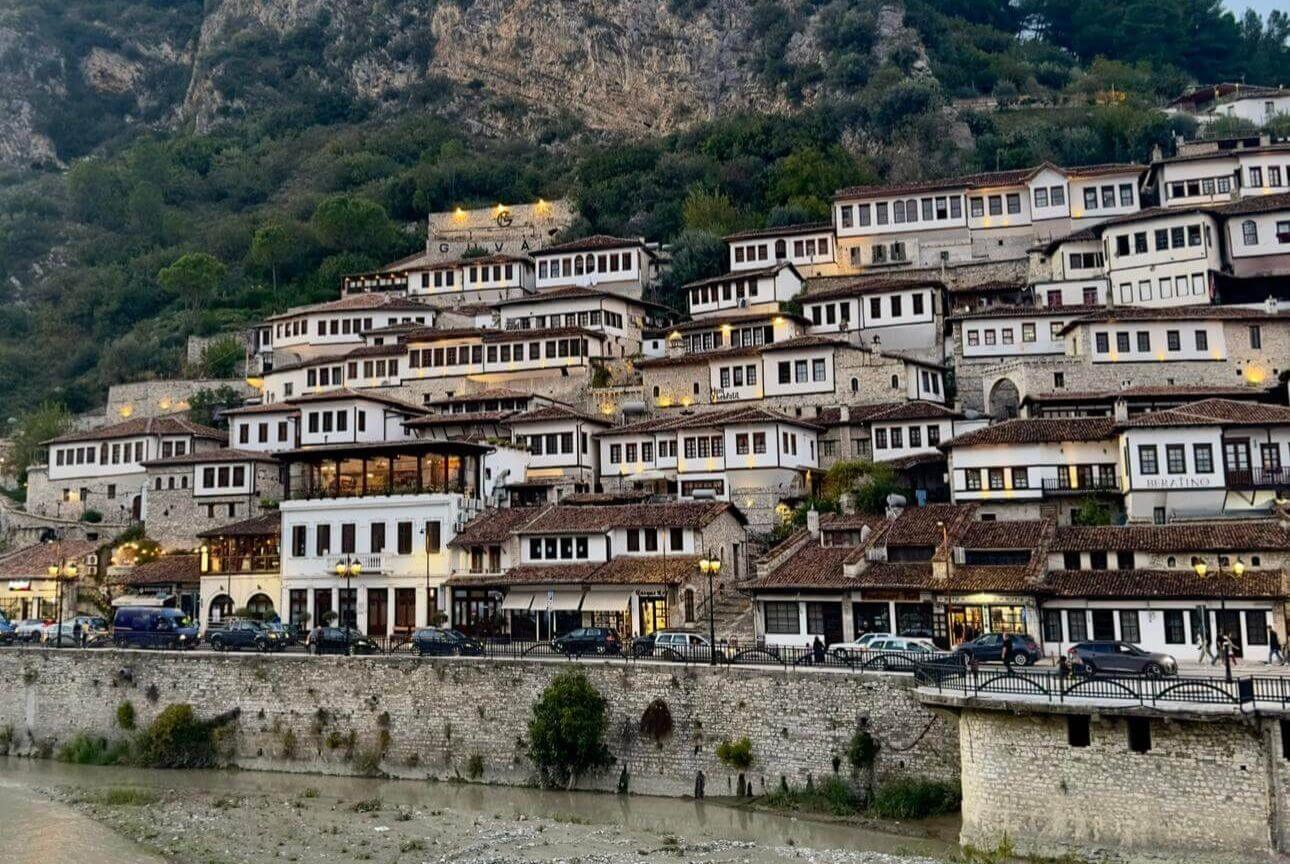
Planning your first trip to Albania and not quite sure what to expect? You’re in the right place. Before visiting the country for the first time with my Albanian husband, I had plenty of questions myself.
After several trips across Albania with my husband and his family, I’ve experienced the country from a local perspective rather than as a typical tourist. Each visit has helped me better understand the culture, traditions and everyday life beyond the guidebook recommendations.
In this Albania Travel Tips guide, I’ll answer the questions I hear most often about visiting Albania, including transport, costs, safety, local etiquette and the common mistakes first-time visitors make.
By the end of this guide, you’ll know exactly what to expect before visiting Albania and feel much more confident planning your trip.
Albania Travel Tips: In a Nutshell
Best Time To Visit
May-June,
September-October
How to get there
Fly to Tirana or
Take a Ferry from Italy or Greece
How to get around
Renting a car offers the most flexibility
Trains
Unfortunately, trains are not an option
Ideal Trip length
2–3 days for Tirana.
At least 7 days for a broader trip to Albania.
CURRENCY & PAYMENTS
Albanian lek (ALL). Carry cash, although cards are accepted in many cities
budget
Generally affordable, although fuel and peak-season accommodation can be expensive.
Places to Visit
Berat, Gjirokastër, Ksamil, Himarë
Safety
Generally safe for tourists; take extra care on the roads.
Language
Albanian. English is widely spoken in tourist areas and among younger people.
When is the Best Time to Visit Albania?
In my experience, the best time to visit Albania is from May to June or from September to October. These months offer more comfortable temperatures for sightseeing, hiking and exploring the coast. July and August are better suited to beach holidays, but expect intense heat, busier seaside destinations, and higher prices.
If you are interested in snow-covered landscapes and slower winter activities in the Albanian Alps, winter may be worth considering.
Season Highlights
Winter in Albania: Travel Tips for Snow & Quiet Tourism
Regardless, I will never go on a winter vacation because I love sea salt in my hair. Albania is slowly promoting its winter destinations, such as the Albanian Alps and Bigëll, near the Greek border, where people can enjoy slow winter sports like snowshoeing, snow hiking, and touring.
Quiet Tourism: Travelling to Albania in winter means you can enjoy slow travel while immersing yourself in untouched landscapes, with more affordable accommodation than in Europe’s established destinations.
Limited Accessibility: Mountain passes and some rural roads may be challenging or closed due to snow, so check local conditions before travelling and consider renting a 4×4.
Summer in Albania: What to Expect During Peak Season
Albania thrives during the summer, attracting many tourists eager to explore its beauty. Inland temperatures can be extremely hot, often exceeding 35°C (95°F), while temperatures along the coast tend to be more bearable.
Peak Season: Popular coastal destinations can become overcrowded, and accommodation prices reach their highest.
Spring & Autumn: The Best Time to Visit Albania for Balanced Travel
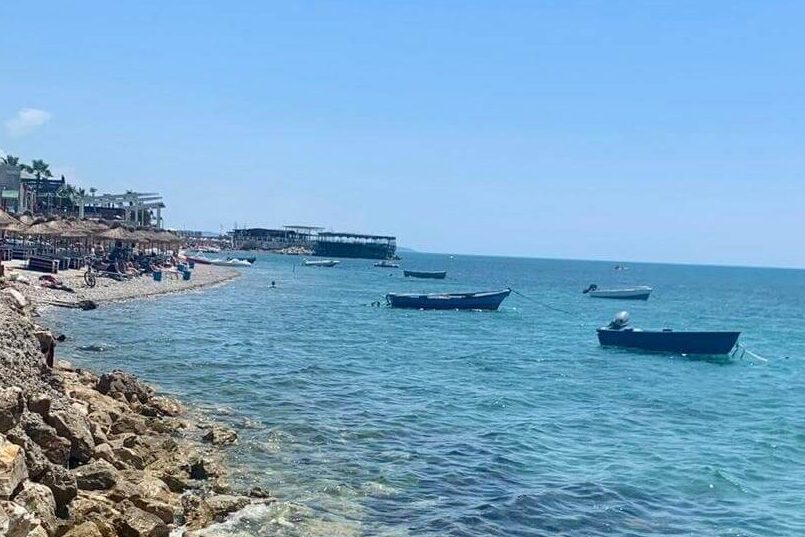
These are my favourite seasons to travel to Albania because the temperatures are more comfortable and suitable for all types of activities, like hiking, sightseeing, or enjoying the coast. Spring features beautiful blooming landscapes, while autumn is ideal for food lovers, as this is when local grapes, figs and olives are harvested.
Off-Peak Season: Enjoy quieter destinations and more affordable accommodation.
Unpredictable weather: One thing to keep in mind is that the weather can change suddenly, so packing rain gear is handy.
How to Get to Albania
Fly to Tirana: Start Your Trip Here
Not sure how much you know about transport in Albania, but Tirana International Airport (TIA) is currently the country’s main airport for regular international flights. Having one main gateway can limit your flexibility, so I highly recommend booking your tickets as early as possible to get the best price.
Albania has many direct flights to and from European and Middle Eastern countries, along with a small number of longer-distance routes. However, depending on where you are flying from, you may still need a connecting flight, which will extend your travel time. The positive news is that direct flight options are increasing year by year.
Get to Albania by Ferry from Italy
If you are in Italy (Puglia or Marche), you have another option to reach Albania: by ferry.
These are the options:
- Bari to Durrës: Daytime and overnight departures are available depending on the season. The journey takes approximately 8–9 hours.
- Brindisi to Vlorë: Departure times and sailing durations vary, with journeys generally taking around 5–8 hours.
- Ancona to Durrës: This is the longest journey, taking approximately 16 hours. Departures are more frequent during summer.
Get to Albania by Ferry from Greece
If you are in Greece (Corfu), you can get to Sarandë (one of the hotspots of the Southern Albanian Riviera) in just 30 minutes by high-speed ferry.
Good To Know
Before You Go
• Use Direct Ferries (kinda Skyscanner for ferries) for the most up-to-date timetables, prices, and routes.
•If you are renting a car and thinking of travelling with it, remember that the rental costs will increase due to crossing the border and a possible one-way drop-off fee if you return the car in another country
•Time Zone Difference: Corfu is 1 hr ahead of Albania.
How to Get Around Albania
Renting a Car in Albania: What You Need to Know
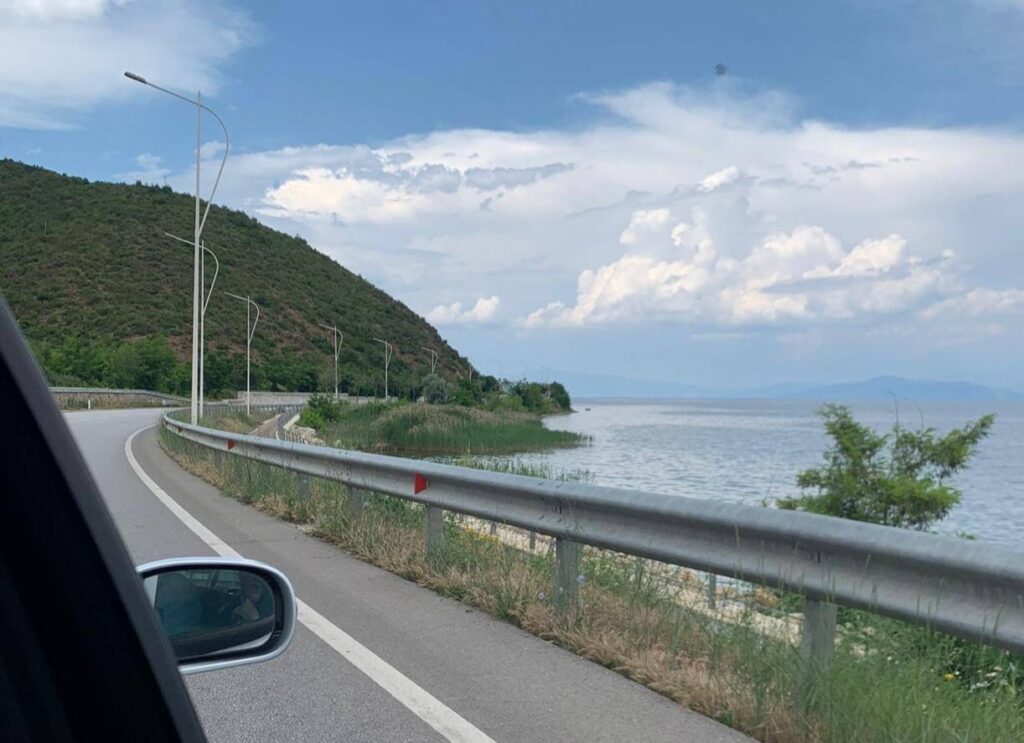
Renting a car is one of my best Albania travel tips if you want flexibility. It allows you to explore remote villages, beaches, and mountain roads that are difficult to reach by public transport.
I personally rented from a local Albanian company recommended by one of my husband’s family friends. If you would like to support a local business, I will be happy to share the contact information. Otherwise, I regularly use DiscoverCars during our trips and so far have had great experiences; it is also very convenient to find the best deals.
The price varies depending on how far in advance you book and whether you are travelling during the high season. If you plan to cross the border with your rental car, ask the company in advance, as cross-border fees can significantly increase the final cost.
While you might find a cheap rental-car deal, fuel in Albania is among the most expensive I have ever seen.
Driving licence requirements vary depending on the country that issued your licence and the rental company.
Good To Know
Before You Go
Tip: Be cautious when driving on rural, lesser-known roads, as conditions can be challenging. We once found ourselves in the middle of a dirt road, thanks to Google Maps!
You might also spot unexpectedly large objects placed along the road. These are sometimes used as creative warnings for hidden potholes. They reflect the resourcefulness of the Albanian spirit—and remind you to drive carefully.
Driving in Albania: Essential Safety & Road Tips
- Drive on the right and overtake on the left.
- Wear seat belts at all times, including in the rear seats.
- Do not use your phone while driving.
- Unless a sign, traffic lights, or police officer indicates otherwise, vehicles approaching from the right have priority at intersections.
- Speed limits are generally 40 km/h in built-up areas, 80–90 km/h on open roads and 110 km/h on motorways. Always follow the posted signs, as limits may differ.
- Headlights must be switched on at all times, regardless of road type or weather conditions.
- If you are involved in an accident, wait for the police to arrive.
Good To Know
Before You Go
Refill your fuel sooner rather than later, particularly before travelling through rural or mountain areas.
My Car Rental Best Practice
- Check in advance which driving licence or permit you will need.
- Check the payment requirements, as most companies accept payment only on a credit card in the main driver’s name.
- Consider purchasing full-cover insurance for extra peace of mind.
- If you plan to explore rural or mountain areas, consider renting a 4×4 or SUV.
- Inspect the car carefully and ask the company to record even the smallest existing damage.
- Take photos or videos of every side of the car before driving away.
- Avoid crossing the border.
Trains in Albania: Why They’re Not Practical for Tourists
To my knowledge, Albania does not currently have a passenger rail network that tourists can rely on for efficient travel. While researching this Albania Travel Tips guide, I walked along an abandoned railway line in Elbasan, and my mother-in-law explained that train services became largely obsolete after the fall of communism.
You may still find references online to occasional passenger services, but the routes are extremely limited and unsuitable for planning a typical trip.
For now, I recommend relying on a rental car, buses or furgons rather than trains.
Taxis in Albania: What Tourists Need To Know
These suggestions come from my husband’s local friends, as we rented a car and never personally used a taxi.
My husband’s friend says the rule is to ask for the fare before starting the journey, especially if you are stopping a cab on the street (bear in mind the driver might not speak English), so you don’t get a surprise when you arrive at your destination.
This isn’t only an Albanian issue; in Italy, we have the same problem, especially in major cities like Rome.
Tirana has the best selection of taxi companies, and among them, he recommended Patoko for transparent pricing and upfront fare estimates and BeeTaxi, which is not only popular in Tirana but also useful for day trips and longer distances.
If instead you want to book your transfer in advance with a more established international company, I personally use GetTransfer, especially when Uber is not available.
Buses and Furgons in Albania: What to Know Before Travelling
Many furgons are privately operated, and one of the most important Albania travel tips is not to rely on fixed timetables. They often depart when full rather than at a scheduled time. The upside is flexibility, as drivers may stop on request along the route.
Most passengers I saw using furgons were locals, which made them feel like a more authentic way to experience everyday travel in Albania.
Each major city and destination usually has its own bus station or terminal. I personally rented a car, so I don’t have firsthand experience of travelling by bus in Albania.
For this reason, I don’t recommend any particular company. If you are considering travelling by bus or furgon, ask your accommodation to help you plan the route, as the information you find online may not always be up to date.
How Many Days Do You Need in Albania?
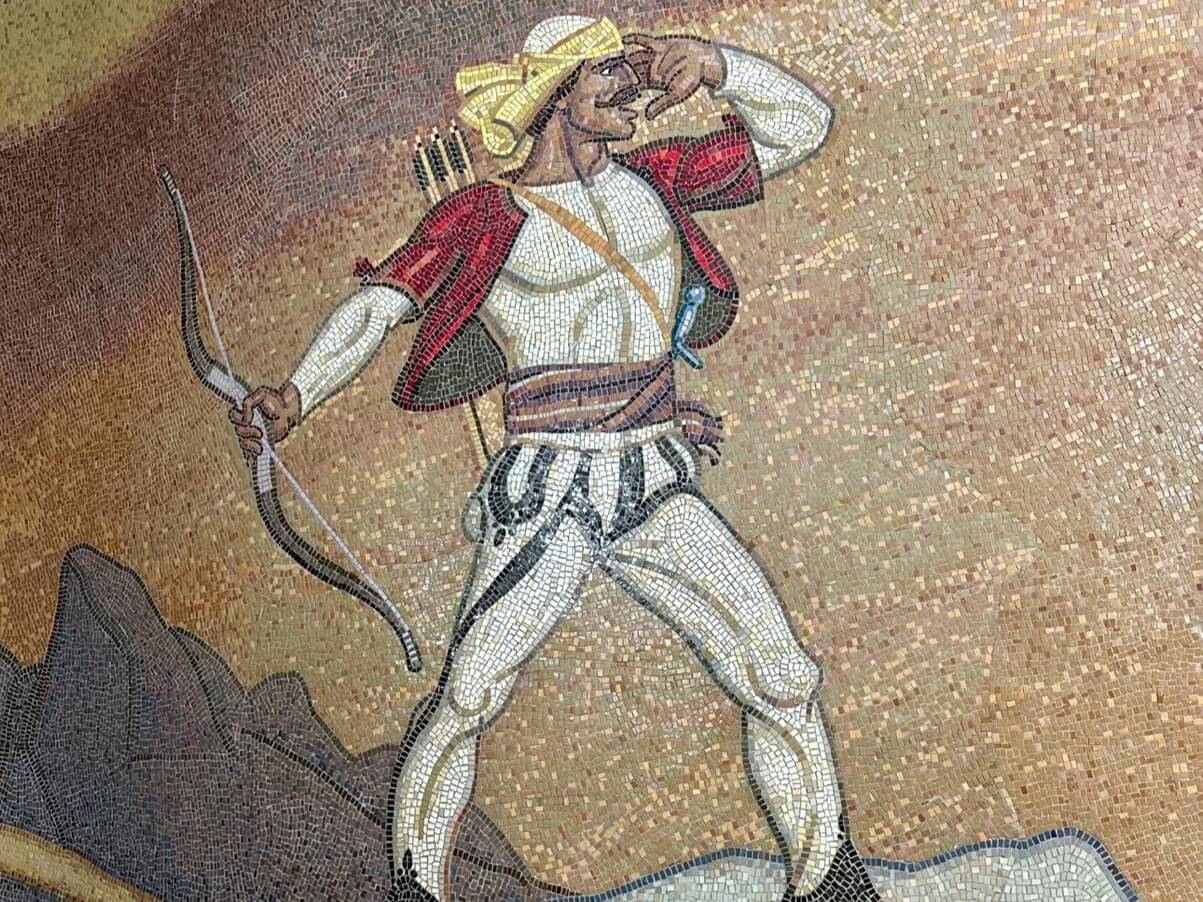
Albania is a country that deserves to be explored slowly if you want to understand and appreciate it fully. Although it may look small on the map, its landscapes, food and local traditions change from one region to another.
Trying to fit too many places into a short trip can mean spending more time travelling than actually experiencing the country. How many days you need will depend on the areas you want to visit and your travel style.
Even if you rent a car, remember that the roads are not always at their best and journeys can take longer than your GPS suggests. That said, as a general guide, this is what I feel makes the most sense:
• Long weekend 2 to 3 days: Ideal if you want to focus on Tirana or combine the capital with one nearby destination like Berat, Krujë, Durrës or Lake Shkodra. I wouldn’t consider going down to the Southern coastline if you only have a couple of days.
• 3 to 5 days: Suitable for exploring Tirana and combining it with one area of the coastline or a few nearby destinations.
• At least 7 days: This is my recommendation for a first trip. It gives you enough time to combine Tirana with a few destinations in central or southern Albania without rushing.
• 10 to 14 days: Better if you want to slow-travel through several regions and experience the differences between northern Albania, the historic inland towns and the Albanian Riviera.
Money and Costs in Albania
Currency and Paying in Albania
Albania’s official currency is the Albanian lek (ALL). Although euros may be accepted in some tourist areas, I recommend paying in lek whenever possible, as the exchange rate offered by a business may not be as favourable.
One of my strongest Albania travel tips is to carry some cash. Card payments are becoming more common in cities and tourist destinations, but smaller businesses, cafés, taxis, and rural establishments may still accept only cash.
ATMs are available in major cities and tourist areas, although withdrawal fees vary by bank and card provider and, in my experience, can be very high.
I usually exchange some cash into lek when I arrive, although I don’t have one particular exchange office to recommend, as we use different places on each trip. Otherwise, I pay by card and avoid using ATMs whenever possible.
Check your Bill
Overcharging may occur occasionally, though it can be difficult to know whether it is a genuine mistake or intentional.
It happened to us in Krujë. The bill was written only in Albanian, but I noticed that the total number of dishes was higher than what we had ordered.
One of my tricks is to take photos of the menu, so I can compare the listed prices when the bill arrives.
Don’t get me wrong—this is not something that happened regularly during our trips, and our experience in Krujë could simply have been a genuine mistake.
Do You Tip in Albania?
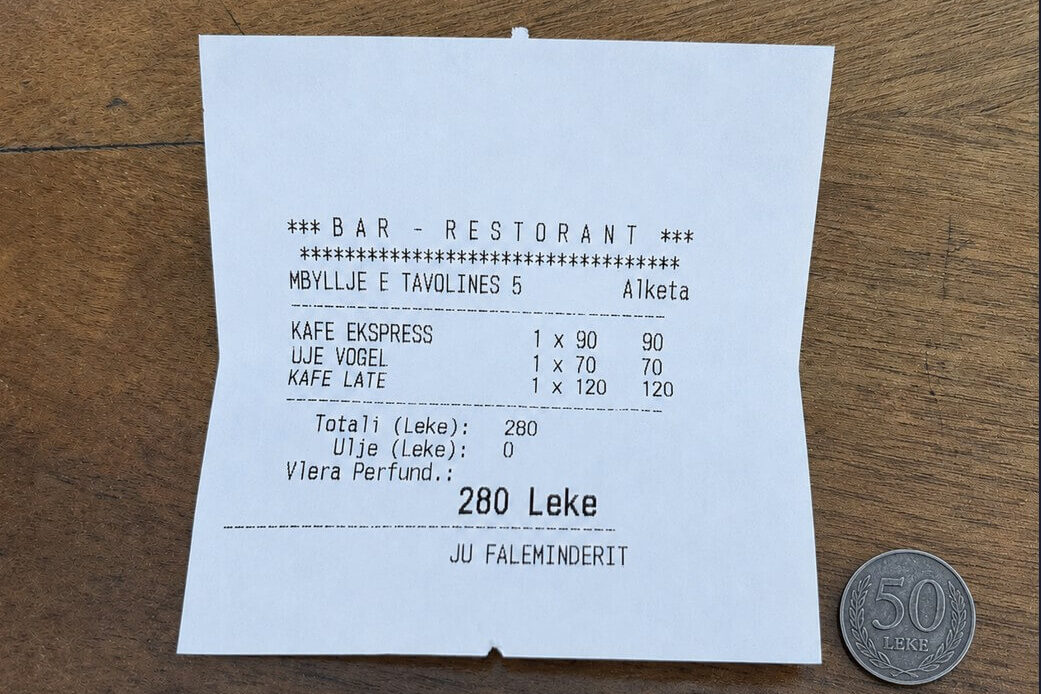
Tipping is not generally mandatory in Albania, but it is appreciated when you receive good service.
In restaurants, leaving around 5–10% is generous, while in cafés, rounding up the bill is usually sufficient. Coming from a hospitality background, I know how much a small tip can brighten someone’s day.
Is Albania Cheap or Expensive?
Perceptions of cost vary depending on where you are travelling from and how you plan your trip. In my experience, Albania can still be very affordable compared with many European destinations, but some expenses may be higher than you expect.
Some tourist areas also have inflated prices because of their location. You will have to decide whether the experience is worth paying more for or whether walking a few metres away from the main street offers better value.
- Fuel: This was one of the most expensive parts of our trips. If you rent a car, it will be difficult to avoid this cost.
- Accommodation, beach clubs and car rental: Prices rise considerably during the summer, especially along the Albanian Riviera. Booking in advance gives you a better chance of finding more affordable options.
- Restaurants: Trendy restaurants and venues in popular tourist areas can be expensive, while local taverns usually offer better value and a more traditional experience. When deciding where to eat, I follow a few simple checks to avoid overrated places and tourist traps. You can read more about how I find the best restaurants when travelling.
- Organised tours and private transfers: These can quickly increase your budget. Renting a car gives you more independence, although buses and furgons are cheaper alternatives if you are comfortable using public transport.
The trade-off is time, as journeys may take longer, so you may have to choose between saving money and travelling more efficiently.
Practical Things To Know Before Visiting Albania
Do I Need A Visa For Albania?
Visa requirements for Albania depend on your nationality and the length of your stay. Check the official Albanian eVisa website or your government’s current travel advice before booking, as entry requirements can change. British visitors, for example, can currently visit visa-free for up to 90 days within a 180-day period.
eSIM & Wi-Fi
Wi-Fi is widely available in restaurants and cafés, but unless you have mobile data, you can feel pretty much left in the dark when you are out exploring.
It depends on your mobile provider and roaming plan, as Albania is not always included. Since discovering Airalo, I have used it regularly during my trips across Europe and also in Morocco.
There are plenty of E-Sim companies, but I keep returning to Airalo because of the flexibility in adding data top-ups, the excellent coverage I have experienced and its competitive data packages.
Since I’m not always the most tech-savvy person, I also found the instructions easy to follow and the eSIM simple to install.
I’m happy to share my referral code (SARA14727), which currently gives you a discount of £2.50/€3, or you can simply click below.
Can You Drink Tap Water in Albania?
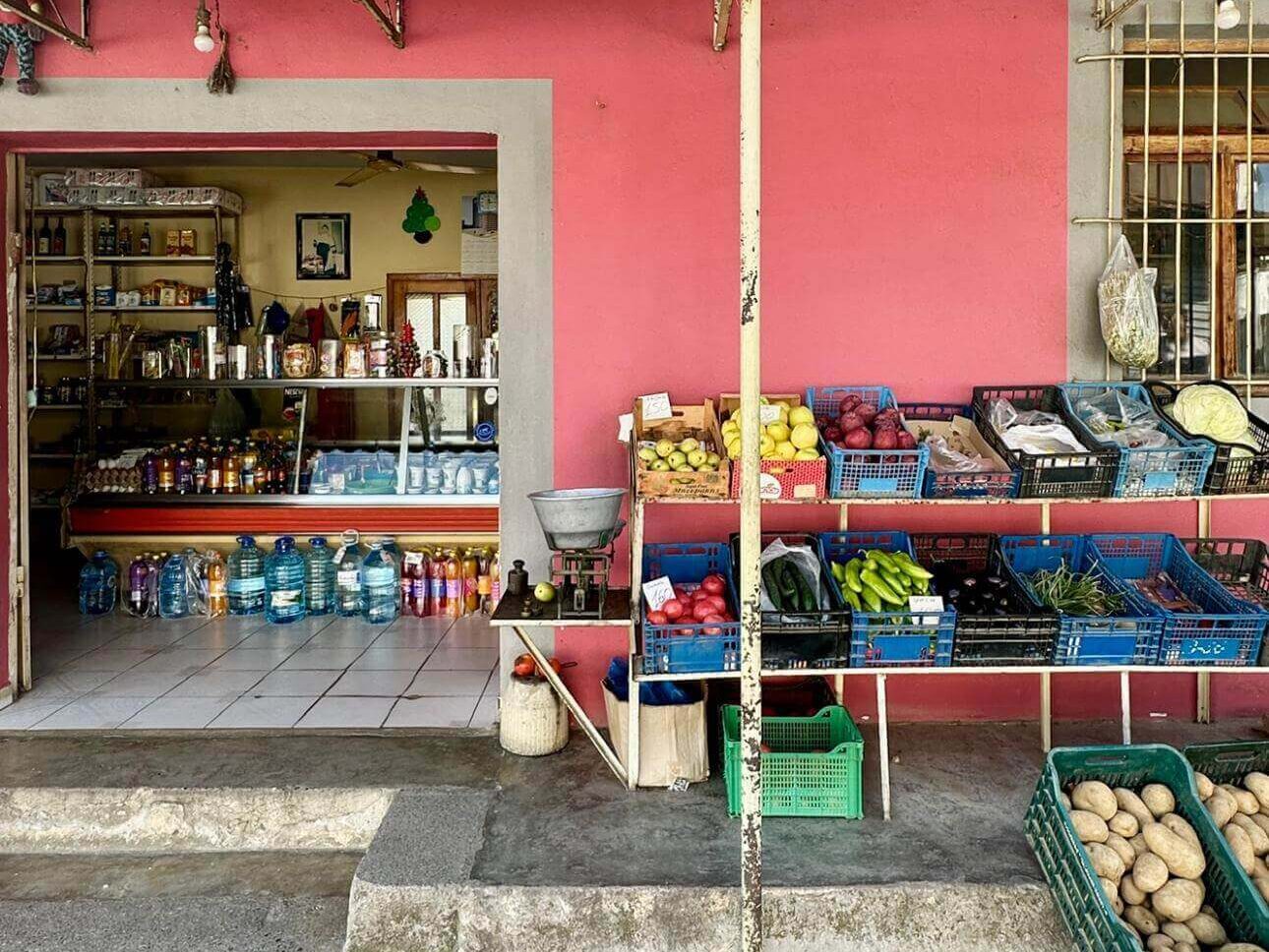
Long story short, I recommend avoiding tap water in Albania, including for brushing your teeth. The pipework can be old in some areas, so bottled water is the safest option.
Fortunately, bottled water is inexpensive. Look for a supermarket near your accommodation or stop at one along the route if you are travelling by car. In my experience, you can often buy a pack of six large bottles for way less than €5, depending on the brand.
Can I Speak in English in Albania?
Yes, English is widely spoken in Albania, particularly in Tirana, tourist areas and among younger generations. In my experience, I could usually communicate without difficulty, although in smaller towns my husband sometimes stepped in when English was less widely spoken.
Even when people don’t speak English, Albanians often make a genuine effort to understand and communicate with you in any way they can.
Knowing a few words of Italian can also help. Some Albanians speak or understand Italian because they have watched Italian television or lived in Italy for a period of time.
Is Albania Safe for Tourists?
Safety is often a concern when visiting Albania for the first time, but based on my experience, I have always felt safe travelling around the country. Reports of crime targeting foreign visitors are relatively rare, although you should still take the same precautions you would elsewhere, particularly in busy cities and tourist areas.
My main safety concern was the roads rather than crime. Driving can sometimes feel aggressive and unpredictable, so keep a safe distance from other vehicles and take extra care when crossing the street. You can find more detailed advice in my driving section above. Official travel guidance also warns that driving conditions can be hazardous, particularly on rural roads.
In my experience, people occasionally stared at me out of curiosity rather than hostility. A small personal tip: wearing sunglasses sometimes helped me feel more comfortable.
Emergency Numbers in Albania
Save or screenshot these numbers on your phone before travelling.
In an emergency, stay calm and clearly explain your location and what has happened.
- General emergency/police: 112
- Police: 129
- Ambulance: 127
- Fire brigade: 128
Albanian Culture and Local Etiquette
Albanian Hospitality and Everyday Etiquette
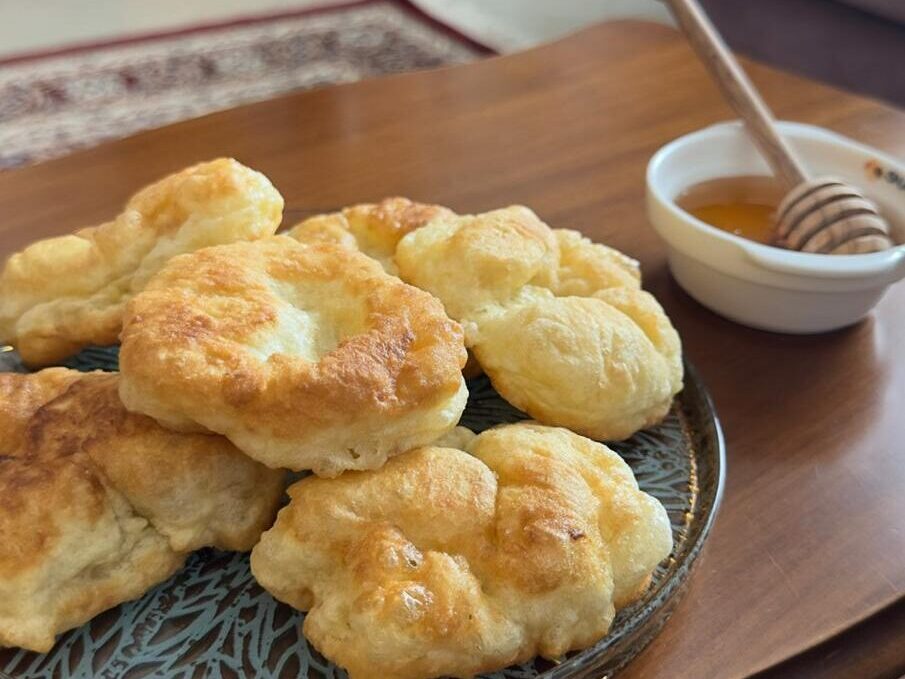
In my experience, as the wife of an Albanian man, his family, relatives and friends truly opened the doors of their homes—and their hearts—to me. They cared for me as though I were a queen entering her own kingdom, constantly offering me food and drinks.
Whenever we went out for coffee or pizza, paying the bill became almost chaotic because everyone wanted to pay. I was rarely allowed to contribute, which contrasted with my Italian instinct to give something back in return for their hospitality.
I don’t believe this warmth is reserved only for family members. Hospitality is deeply rooted in Albanian culture and is often associated with besa, a broader concept connected with keeping one’s word, honour and the responsibility of welcoming and protecting guests.
One thing that really struck me as a first-time visitor was Albanian non-verbal communication. Traditional gestures for “yes” and “no” can sometimes feel reversed: a sideways wobble may mean yes, while an upward tilt can mean no. However, this varies, and younger people or those accustomed to foreigners may use the gestures you already know. When in doubt, listen for “po” meaning yes and “jo” meaning no.
Souvenirs and Gifts to Bring Home from Albania
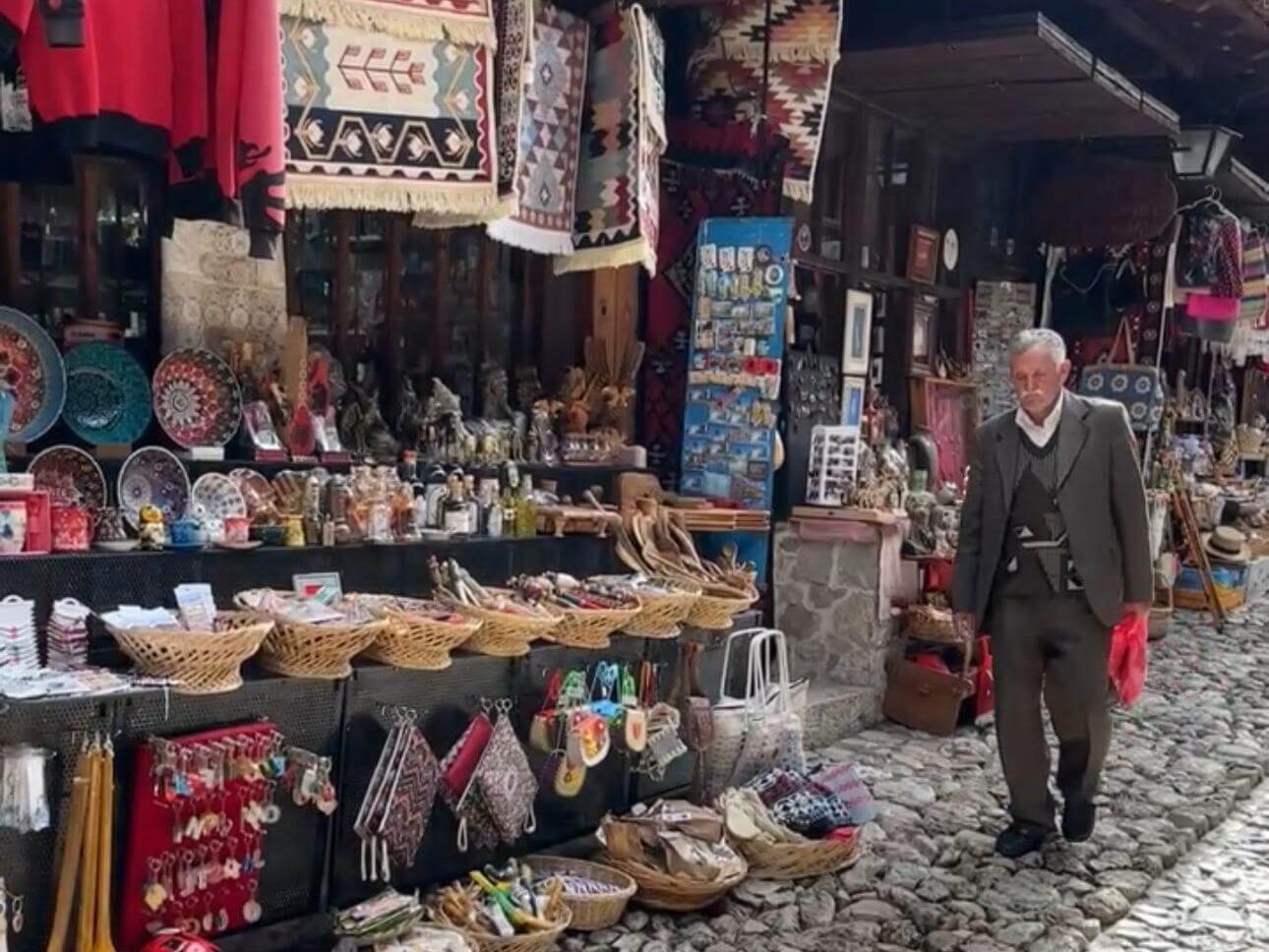
When I travel, I like to choose souvenirs that help me stay connected to the local culture rather than buying something purely decorative. These are some of my favourite things to bring home from Albania:
- Caj mali 💗: A mountain herbal tea with a distinctive flavour. I found it quite herbaceous at first, but it quickly grew on me, and I now enjoy drinking it before bed.
- Honey: Albania produces some excellent varieties of honey. My favourite is chestnut honey because of its deeper, slightly bitter flavour.
- Olive oil: If you have enough space in your luggage, I highly recommend bringing home a bottle. The flavour can start quite strong before becoming rounder and smoother on the palate. In my opinion, it can be just as good as a quality Italian or Greek olive oil.
- Drawings and paintings 💗: Buying artwork is a lovely way to support a local artist while bringing home something unique.
- Pottery: Pottery is a meaningful souvenir, and some styles reflect Albania’s long Ottoman influence.
- Çorape 💗: These traditional handmade woollen socks are among the cosiest things you can wear during winter. My husband’s grandmother has made many pairs for us, which makes them especially meaningful to me.
Religion in Albania and Visiting Religious Sites
Albania is religiously diverse, with Muslim, Catholic and Orthodox communities living alongside one another. In my experience, religion did not make travelling around the country feel complicated or restrictive; the main thing is to respect the rules of each place of worship. When visiting a religious site:
- Cover your shoulders and knees.
- Carry a scarf, particularly when visiting a mosque.
- Remove your hat.
- Remove your shoes when requested.
- Avoid interrupting prayers or religious services.
Common Mistakes to Avoid in Albania
After several trips around Albania with my husband and his family, I have noticed that many first-time visitors make similar mistakes. Most come from expecting the country to work in the same way as other European destinations or trying to fit too much into a short trip. These are the mistakes I would avoid to make your journey smoother and more enjoyable.
Trying to See Too Much in Too Little Time
Albania may look small on the map, but travelling between destinations can take longer than expected. Trying to visit Tirana, the mountains and the southern coastline in only a few days can leave you spending more time in the car than actually experiencing the country.
Albania deserves to be explored slowly, allowing time to appreciate how its landscapes, food and local traditions change from one region to another.
Relying Too Heavily on Google Maps
Google Maps can be helpful in Albania, but I would not rely on it blindly, especially on rural and mountain roads. During one of our trips, it directed us onto a dirt road that was clearly not suitable for a normal car.
Check the route before setting off, ask your accommodation or a local person when possible, and allow extra time for the journey. The fastest-looking route on the map is not always the easiest or safest option.
Assuming Cards Are Accepted Everywhere
Card payments are becoming more common in Albania, but I would not rely on them completely. Smaller businesses, cafés, taxis and places outside the main tourist areas may still accept cash only.
I always carry some lek with me, especially when travelling between towns or stopping somewhere along the road. It saves you from having to look for an ATM at the last minute—and from paying high withdrawal fees.
Trusting Bus and Furgon Timetables Found Online
One mistake I would avoid is trusting every bus or furgon timetable you find online. Information can be outdated, and furgons often leave when they are full rather than at a fixed time.
If you plan to use public transport, ask your accommodation to help you confirm the route and departure point. I would also allow extra time and avoid planning a tight connection around a timetable you have only found online.
Expecting Albania to Be Cheap Everywhere
Albania can still be affordable compared with many European destinations, but one mistake is assuming that everything will be cheap.
Prices can rise considerably in popular tourist areas, especially along the Albanian Riviera during summer. Beach clubs, trendy restaurants, accommodation and car rentals may cost more than you expect.
I learned not to judge value only by location. Sometimes walking just a few metres away from the main street or waterfront can lead to better prices and a more local experience. You simply have to decide which experiences are worth paying more for and where you would rather save.
Visiting Only the Albanian Riviera
The Albanian Riviera is beautiful, and I completely understand why many first-time visitors focus only on the coast. However, Albania has much more to offer than beaches and seaside towns.
Some of my most meaningful experiences came from visiting inland destinations such as Berat, Gjirokastër and Korçë, where the food, architecture and traditions feel completely different from one place to another. Skipping these areas means missing a big part of what makes Albania so interesting.
Even if the coast is the main reason for your trip, I would include at least one inland town to experience a different side of the country.
Final Thoughts On Visiting Albania
Albania is a country that deserves more than a rushed visit. I hope these Albania Travel Tips have helped you understand what to expect and feel more confident planning your trip.
What are you most curious about—Albanian food, the coastline, historic towns or local culture?
Leave me a comment below 💌 I’d love to hear what is bringing you to Albania and help if I can.
Looking for more INSPIRATION?
➡️ Looking for the best cities and regions? Read my full Albania Destination Guide.
➡️ Curious about the food? Here’s my complete guide to Albanian food & Traditional Dishes.